彩色.svg)

For importers sourcing goods from China, the United Arab Emirates (UAE) is much more than just a destination country; it is the logistics crossroads of the world.
Strategically located between East and West, the UAE serves as the primary redistribution hub for the entire Middle East, Africa, and South Asia (MEASA) region. Whether you are shipping electronics to a warehouse in Dubai or heavy machinery to Abu Dhabi, understanding the main shipping ports in UAE is critical for optimizing your supply chain.
In this guide, Zggship breaks down the top ports, the vital role of Free Zones, and how to navigate customs when shipping from China to the UAE.
1. Jebel Ali Port (AEJEA): The Crown Jewel of Dubai

When we talk about shipping to the Middle East, we are almost always talking about Jebel Ali. Operated by DP World , it is the largest man-made harbor in the world and the busiest port in the Middle East.
Key Facts:
- UN/LOCODE: AEJEA
- Location: Dubai (South)
- Capacity: Handling over 19 million TEUs annually.
Why Importers Choose Jebel Ali:
The port’s biggest advantage isn’t just its size; it’s the Jebel Ali Free Zone (JAFZA).
- Seamless Logistics: The port is physically connected to the Free Zone. This means cargo can be moved from the ship to a JAFZA warehouse without paying customs duties immediately. This is perfect for “Re-export” businesses.
- Sea-Air Connectivity: Jebel Ali is linked via a dedicated logistics corridor to Al Maktoum International Airport (DWC), allowing for rapid “Sea-Air” multimodal transport—faster than sea, cheaper than air.
2. Khalifa Port (AEKHL): Abu Dhabi’s Tech Giant
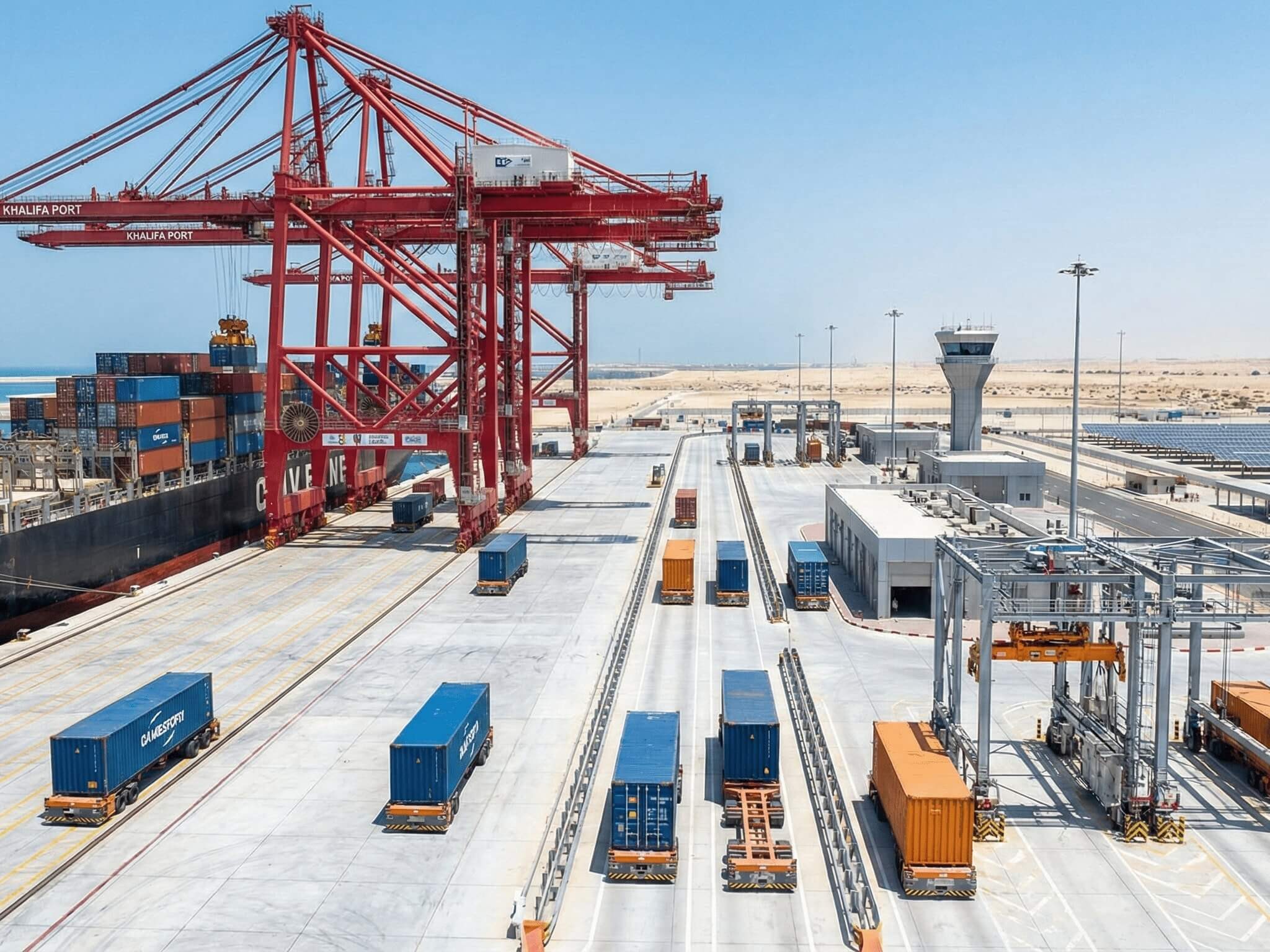
Located halfway between Dubai and Abu Dhabi, Khalifa Port is the flagship of AD Ports Group and arguably the most technologically advanced port in the region.
The China Connection (COSCO)
For Chinese importers, Khalifa Port holds a special significance. It is home to the CSP Abu Dhabi Terminal, a facility built and operated by COSCO Shipping Ports Limited.
- Why it matters: This partnership ensures high priority and smooth handling for vessels arriving from major Chinese ports like Shanghai, Ningbo, and Shenzhen.
- Automation: It is the first semi-automated container terminal in the region, ensuring consistent turnaround times even during peak seasons.
Ideal For:
- Cargo destined for the capital, Abu Dhabi.
- Heavy industrial goods destined for KIZAD (Khalifa Industrial Zone Abu Dhabi).
3. Port of Sharjah: The Strategic Alternatives
Khor Fakkan Port (AEKLF)
Located on the Indian Ocean coast, outside the Strait of Hormuz.
- Strategic Value: By docking here, ships save time by not entering the congested Arabian Gulf. It is primarily used as a transshipment hub for container lines.
Khalid Port (AEKHL)
Located in the heart of Sharjah city.
- Best For: General cargo, refrigerated goods (reefers), and bulk commodities serving the local Sharjah and Northern Emirates markets.
Free Zone vs. Mainland: Understanding UAE Customs
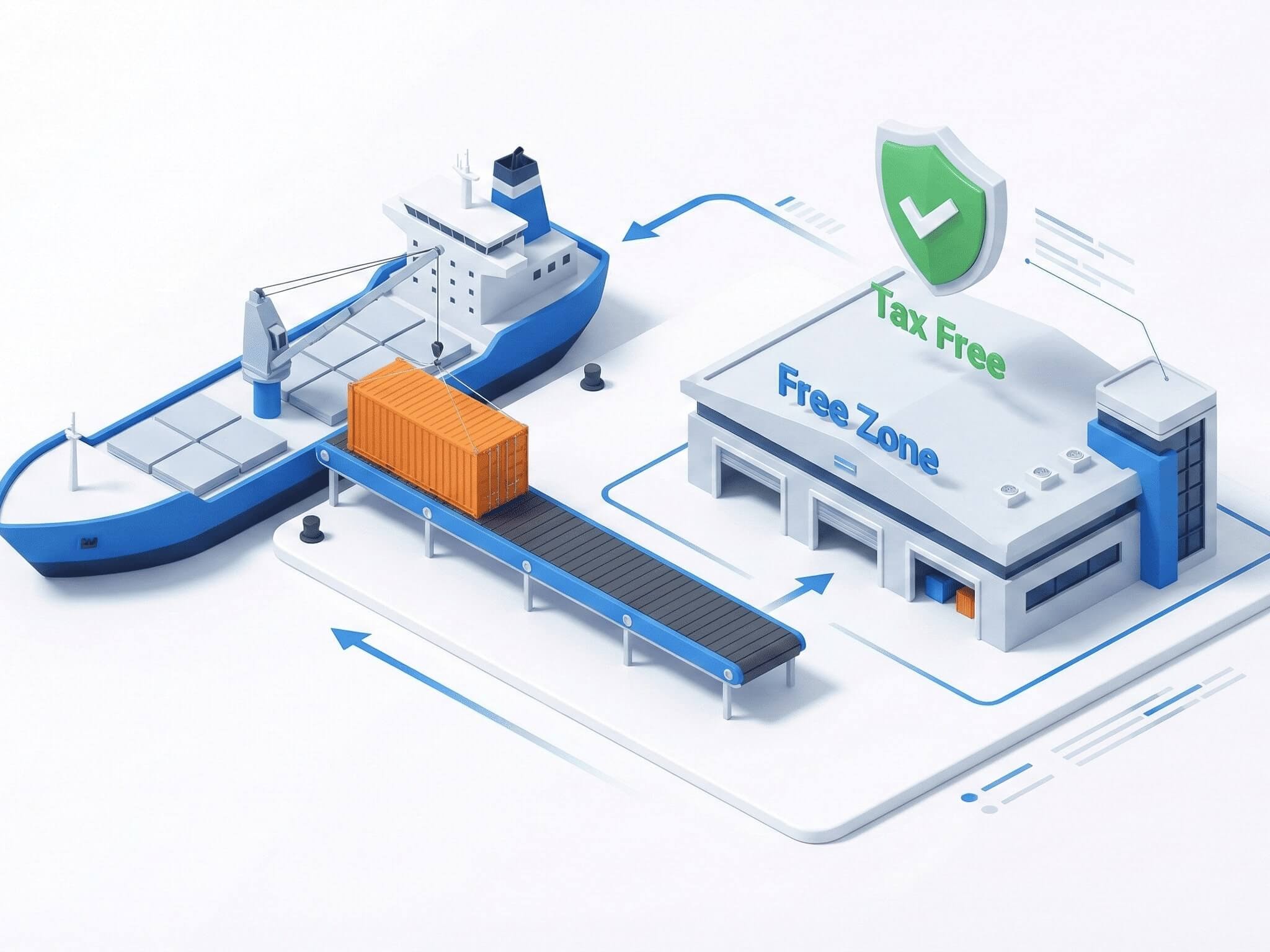
This is the most confusing part for new importers. When shipping from China to UAE, you must decide if your final destination is a “Free Zone” or “Mainland”.
1. Shipping to a Free Zone (e.g., JAFZA, DAFZA)
- Customs Duty: 0% (Suspended).
- VAT: 0%.
- Requirement: The consignee must be a company registered within that specific Free Zone.
- Use Case: You want to store goods and re-export them to other countries, or you are an e-commerce seller fulfilling orders regionally.
2. Shipping to Mainland (Local UAE Market)
- Customs Duty: Generally 5% on the CIF value of goods.
- VAT: 5% standard rate.
- Requirement: You need a local trading license or a commercial agent.
- Use Case: You are selling goods directly to shops or consumers in Dubai/Abu Dhabi.
Shipping Modes: Sea vs. Air
Sea Freight
- Transit Time: Approx. 20-28 days from China main ports (Shenzhen/Shanghai) to Jebel Ali.
- Best For: Bulk stock, furniture, electronics, and construction materials.
Air Freight
- Transit Time: 3-5 days. Dubai International Airport (DXB) is one of the world’s busiest cargo hubs.
- Best For: Urgent restocking, high-value electronics, and samples.
- Learn More: Check our Air Freight from China for rates and timelines.
Conclusion: Which Port Should You Choose?
- Choose Jebel Ali (Dubai) if you need the best connectivity, Free Zone warehousing (JAFZA), or are redistributing across the Middle East.
- Choose Khalifa Port (Abu Dhabi) if your final buyer is in Abu Dhabi or you are shipping via COSCO vessels for industrial projects.
- Choose Sharjah if you are targeting the Northern Emirates or bulk cargo.
The UAE is an open market, but its logistics ecosystem is sophisticated. To avoid getting stuck in customs or paying unnecessary duties, partner with a freight forwarder who understands the local landscape.
Ready to ship to the Middle East? Contact Zggship today for a quote to Jebel Ali or Abu Dhabi.
Disclaimer: Customs regulations and port tariffs in the UAE can change. Always verify the latest HS Codes and duty rates with your Zggship logistics coordinator before shipping.