彩色.svg)

In 2026, the logistics landscape for importers sourcing from China has shifted dramatically. It is no longer just about finding the largest port in the USA; it is about finding the safest and most reliable entry point for your cargo.
With ongoing labor negotiations impacting the East Coast and shifting manufacturing trends moving toward the Sun Belt, choosing the wrong port can mean weeks of delays, unexpected demurrage fees, or missed inventory windows.
Whether you are shipping furniture to California or electronics to Texas, this guide ranks the busiest ports in the USA for 2026 and provides strategic advice on avoiding port strike in USA risks.
At a Glance: Top 10 Busiest Ports in USA
Before diving into the strategy, let’s look at the data.
(Data Note: While the official BTS 2026 Annual Report is pending, the rankings below are projected based on the Year-to-Date (YTD) performance throughout 2025, sourced from Port Authorities and the Bureau of Transportation Statistics (BTS).)
| Rank | Port Name | UN/LOCODE | Coast | 2025-2026 Trend Status |
|---|---|---|---|---|
| 1 | Port of Los Angeles | USLAX | West (CA) | Leading volume, stabilizing after peak season. |
| 2 | Port of Long Beach | USLGB | West (CA) | Consistent growth via automated terminals. |
| 3 | Port of NY / NJ | USNYC | East | East Coast primary gateway. |
| 4 | Port of Savannah | USSAV | East | Continued E-commerce warehousing expansion. |
| 5 | Port of Houston | USHOU | Gulf (TX) | Record-breaking YTD growth. |
| 6 | Port of Virginia | USORF | East | Highly automated; “semi-automated” efficiency. |
| 7 | Northwest Seaport | USSEA | West (WA) | Gateway to the interior/rail (Seattle/Tacoma). |
| 8 | Port of Charleston | USCHS | East | Deep water harbor capability. |
| 9 | Port of Oakland | USOAK | West (CA) | Critical for Northern California distribution. |
| 10 | Port of Miami | USMIA | East (FL) | Strategic hub for Latin America & Florida. |
Spotlight on California: The "Big Two" (LA & LB)
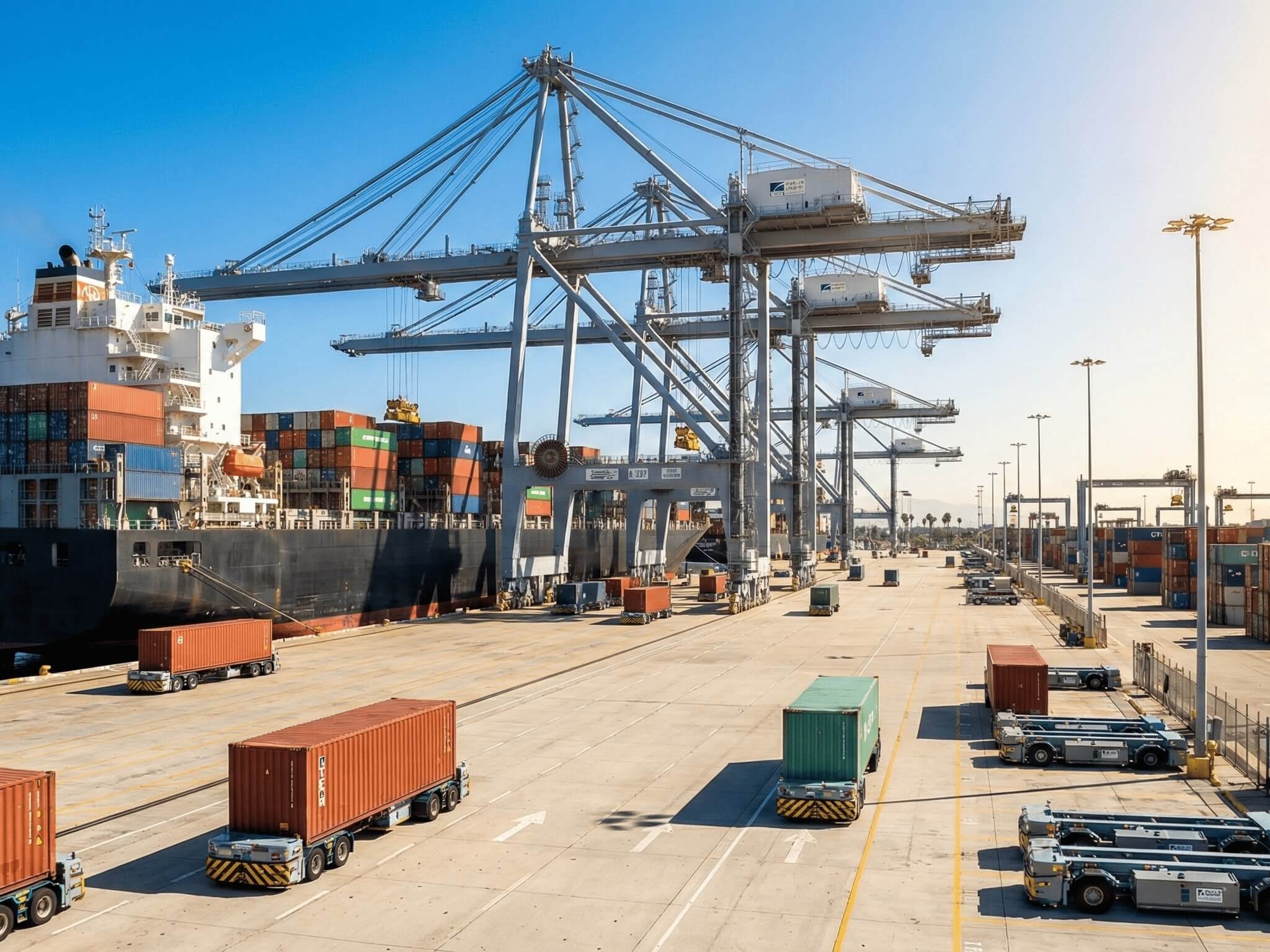
When discussing ports in California USA, the conversation inevitably starts with the San Pedro Bay complex, home to the Port of Los Angeles and the Port of Long Beach. Together, they handle nearly 40% of all US imports from Asia.
1. Port of Los Angeles (USLAX)
As the perennial biggest port in the USA, Los Angeles is the primary gateway for Trans-Pacific trade.
- Why Choose It? Speed. The sea freight transit time from Shenzhen to Los Angeles can be as fast as 14-16 days with premium services (like Matson or ZIM).
- The Reality: It is high reward but high risk. During peak seasons (August-October), truck turnaround times can increase significantly. You can monitor real-time operations on the official Port of Los Angeles website.
2. Port of Long Beach (USLGB)
Located directly adjacent to Los Angeles, Long Beach is equally critical. It has invested billions in automated terminals (like LBCT) to handle the world’s largest container ships.
- Zggship Insight: If you are shipping urgent goods like fashion or electronics, the West Coast remains your best option despite the higher costs.
Need it faster? If 14 days is still too slow, check our Air Freight from China Services for 3-5 day delivery.
Why "Ports in Texas USA" Are Booming in 2026
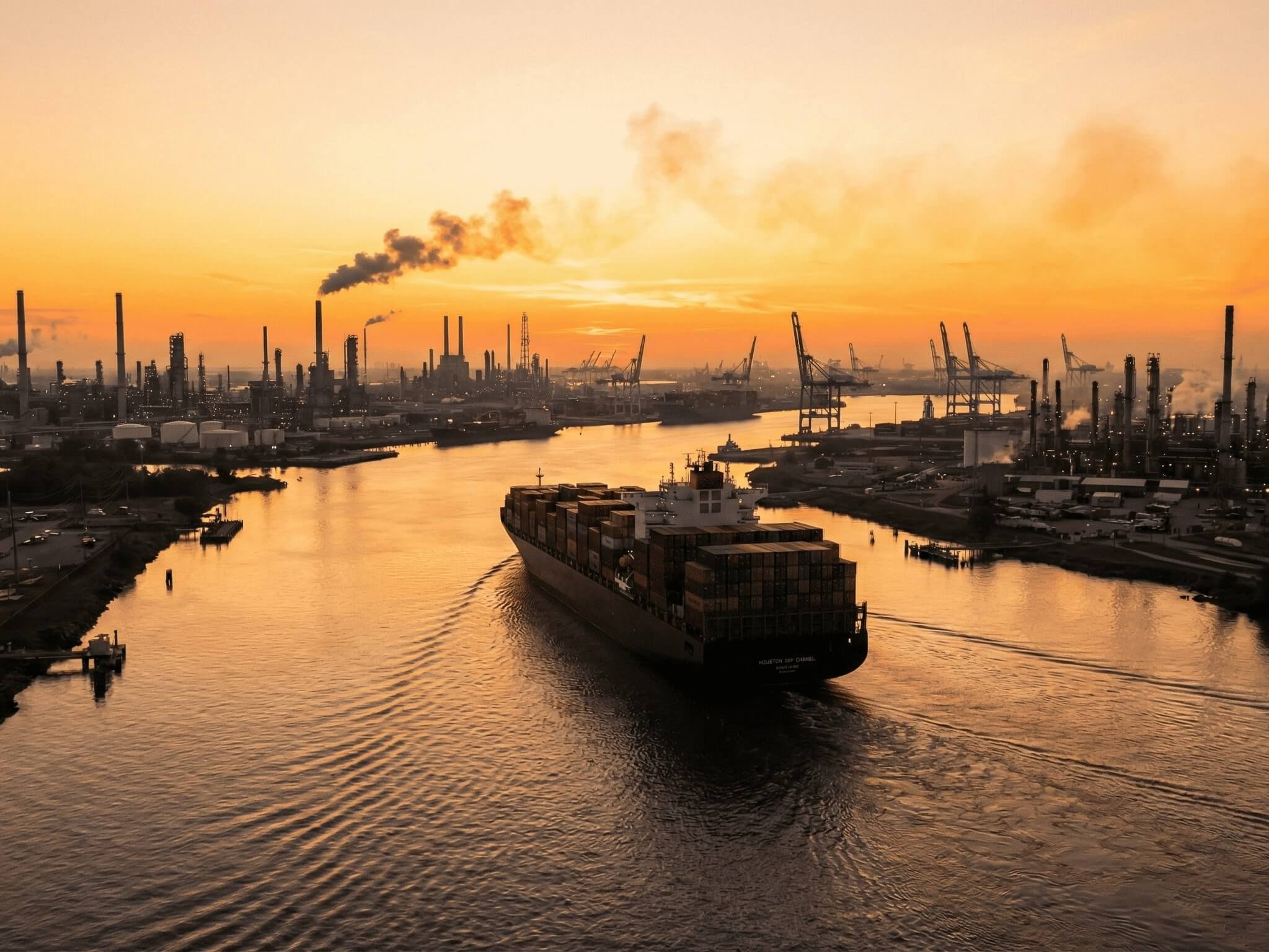
One of the most significant strategic shifts we are seeing in 2026 is the pivot to the Gulf Coast.
While monthly volumes fluctuate—Port Houston reported a seasonal dip of 9% in November 2025—the macro trend remains overwhelmingly positive. According to official reports, Houston remained up 5% Year-to-Date (YTD) through late 2025, putting it on track for another record-breaking year.
What is driving this “Texas Boom”?
1. Massive Capital Investment ($52.7 Billion)
The underlying driver isn’t just shipping; it’s manufacturing. Data from the Greater Houston Partnership indicates a massive pipeline of 157 active industrial projects valued at $52.7 billion. With 54% of these tied to manufacturing and logistics, the demand for container imports is structural and long-term.
2. The "Project 11" Advantage
3. The "Midwest Express"
For importers distributing to Dallas, Chicago, or Memphis, shipping via Houston prevents the need for expensive cross-country trucking from California.
- Cost Efficiency: While the ocean voyage (via Panama Canal) takes longer, the total landed cost to the Midwest is often lower.
- Ideal Cargo: Heavy machinery, oil & gas equipment, and consumer furniture.
East Coast & Florida: Navigating "Port Strike" Risks
The ports in USA East Coast—led by New York/New Jersey and Savannah—are vital for reaching the dense population centers of the Atlantic. However, 2026 brings renewed concerns regarding labor stability.
Port Strike in USA: The 2026 Outlook
The logistics world closely watches the International Longshoremen’s Association (ILA), which controls labor at ports from Maine to Texas. When you search for “port strike in USA”, you are likely concerned about the expiration or renegotiation of the Master Contract.
As reported by major logistics news outlets like the Journal of Commerce (JOC), labor unrest typically spikes in the months leading up to contract deadlines.
Strategic Advice for Importers:
- Monitor the Dates: Follow Zggship’s newsletters for ILA updates.
- The “Four-Corner” Strategy: Do not put all your eggs in one basket. Split your shipment volume between the West Coast (ILWU labor) and the East Coast (ILA labor) to mitigate risk.
- Emergency Plan: If a strike is confirmed, sea freight rates will skyrocket instantly. Booking air freight before the official strike announcement can save your supply chain.
Ports in Florida USA: The Alternative Route
If the Northeast is congested or striking, look south.
- Port of Miami (USMIA): Crucial for goods transiting to Latin America or serving the Florida market.
- Port of Jacksonville (USJAX): Offers excellent rail connections to the South.
Strategic Comparison: West vs. East vs. Gulf
1. Choose West Coast (LA/LB/Oakland) if:
- Speed is your #1 priority. Transit time is approx 14-20 days.
- Your destination is west of the Rocky Mountains.
- You are willing to pay a premium for IPI (Inland Point Intermodal) rail service to the interior.
2. Choose East Coast (NY/NJ/Savannah) if:
- Cost is your #1 priority. All-water service via the Panama Canal is generally cheaper than the Mini-Land Bridge (Sea+Rail).
- Your warehouse is located on the East Coast.
- You can plan for a longer transit time (30-40 days).
3. Choose Texas (Houston) if:
- You want to minimize risk (avoiding West Coast congestion and East Coast strikes).
- Your final destination is Texas or the Midwest.
- You are shipping heavy or oversized cargo (Project Cargo).
Conclusion: Let Zggship Handle the Routing
Navigating the largest shipping ports in USA can be complex, especially with the looming threat of a port strike in USA and changing market conditions in 2026. You don’t need to be a geography expert; you just need a reliable partner.
At Zggship, we provide comprehensive DDP Shipping from China to USA. We analyze your final delivery address and automatically select the best port of entry—whether it’s the speed of California, the reach of New York, or the reliable growth of Texas.
Ready to ship? Contact us today for a free routing analysis and get the most competitive rates for 2026.